
Bringing a Federal Climate Amendment to Congress c
What WeEat

Pay-It-Forward Grant
Colombia's páramos — the world's most biodiverse high-altitude wetlands — supply drinking water to over 7 million people, yet illegal mining, agribusiness expansion, and climate change are destroying them faster than any protection effort has moved. FAPAC is funding a rigorous, community-led scientific investigation to map the damage, document contamination of downstream water sources, and build the legal and policy foundation to halt irreversible destruction.
Overview

Drivers of Outrage
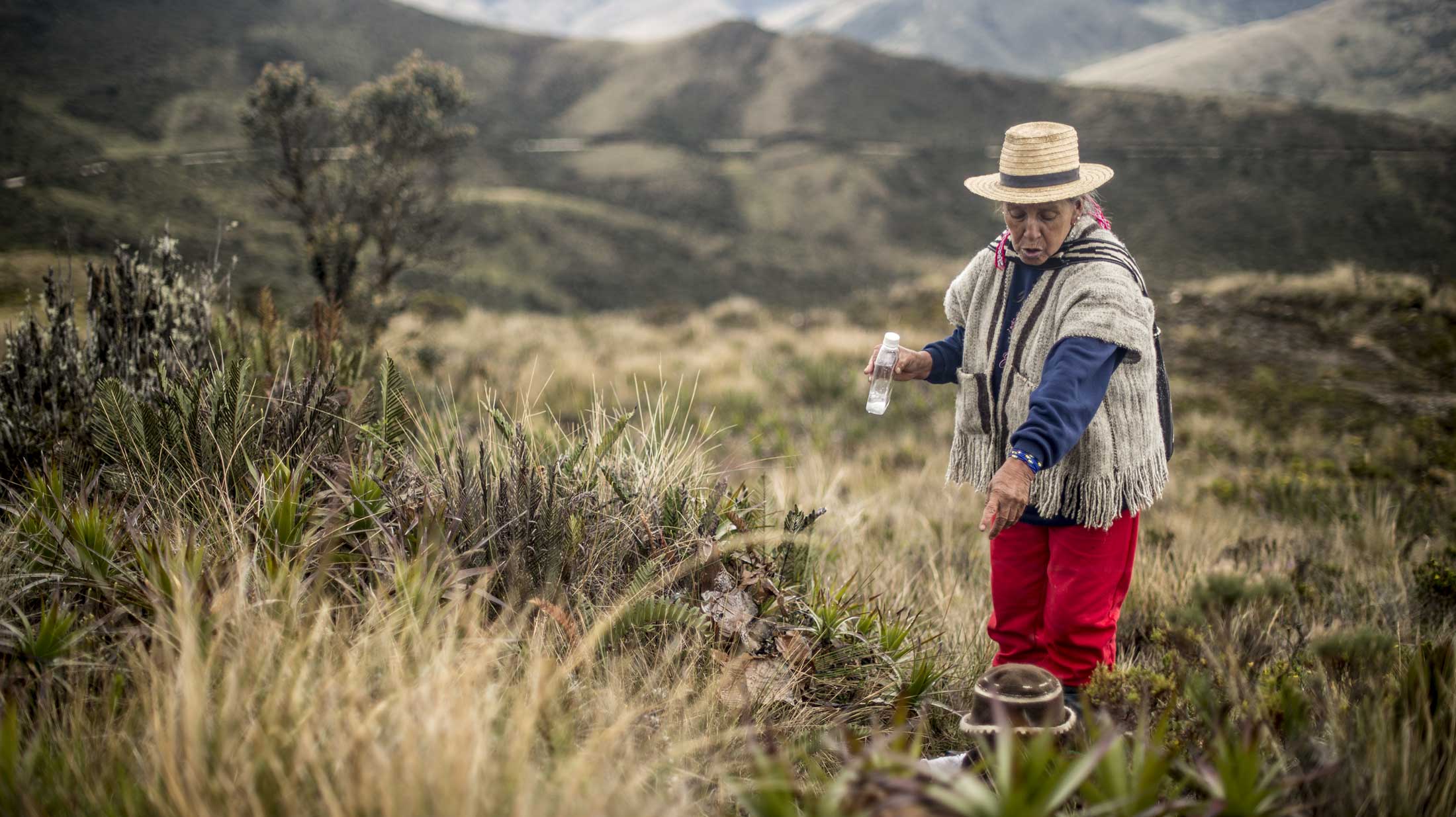
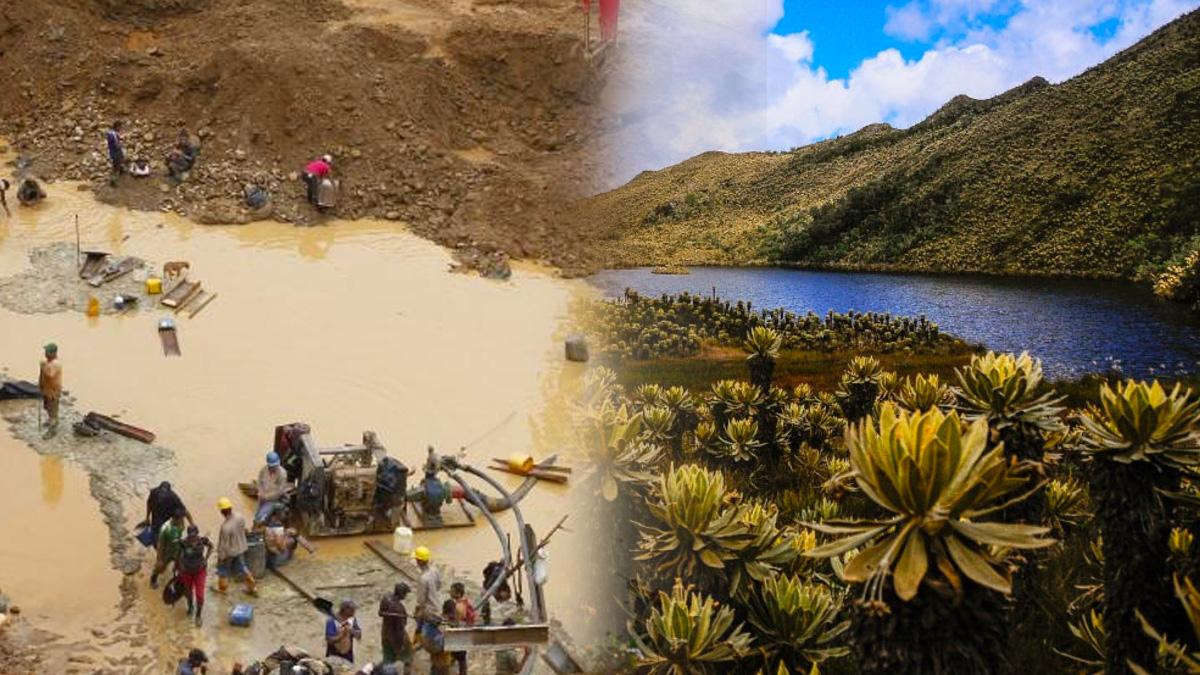
Colombia hosts 50% of the world's páramo surface area — unique high-altitude wetland ecosystems above 3,000 meters that act as giant sponges, capturing rain and slowly releasing it as the headwaters of major rivers. Seven million Colombians drink water that originates in páramos. But today, illegal gold and coal mining operations have contaminated at least 23 major páramo water sources with mercury, arsenic…

7M+People at Risk
Colombians whose primary drinking water originates in páramos currently threatened by mining and agricultural degradation.
8.4xAbove WHO Mercury Limit
Downstream water sources sampled in 2025 showed mercury at 4.2 µg/L — 8.4 times the WHO safe limit of 0.5 µg/L.
40%Páramo Area Lost
Estimated share of Boyacá–Cundinamarca páramo belt destroyed by agricultural encroachment since 1970.
7M+People at Risk
Colombians whose primary drinking water originates in páramos currently threatened by mining and agricultural degradation.
8.4xAbove WHO Mercury Limit
Downstream water sources sampled in 2025 showed mercury at 4.2 µg/L — 8.4 times the WHO safe limit of 0.5 µg/L.
40%Páramo Area Lost
Estimated share of Boyacá–Cundinamarca páramo belt destroyed by agricultural encroachment since 1970.
Funding the Action
Every peso raised through this campaign goes directly to field science, community engagement, and legal action. Funds cover independent laboratory testing for heavy metals and agrochemicals, field research personnel and equipment, bilingual community health surveys, GIS mapping, legal review and filings, community assembly logistics, and project administration. All expenditures are tracked, audited, and reported publicly. FAPAC is a registered Colombian nonprofit equivalent to a 501(c)(3) — international donations are fully tax-deductible via our U.S. fiscal sponsor.
Each donated dollar protects approximately 39 Colombians' access to uncontaminated páramo-sourced water
Potential Outcomes
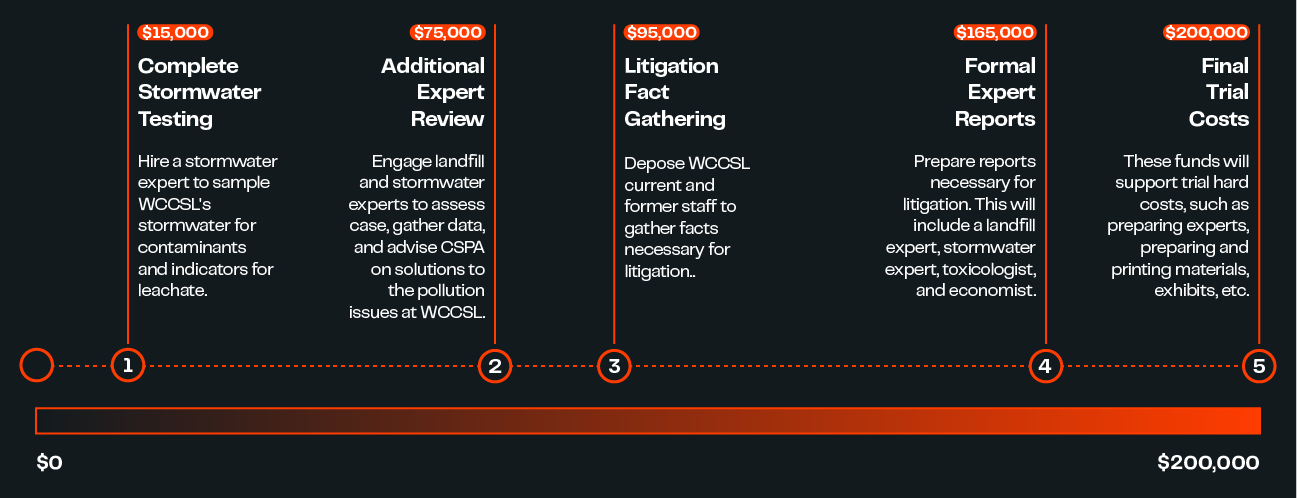
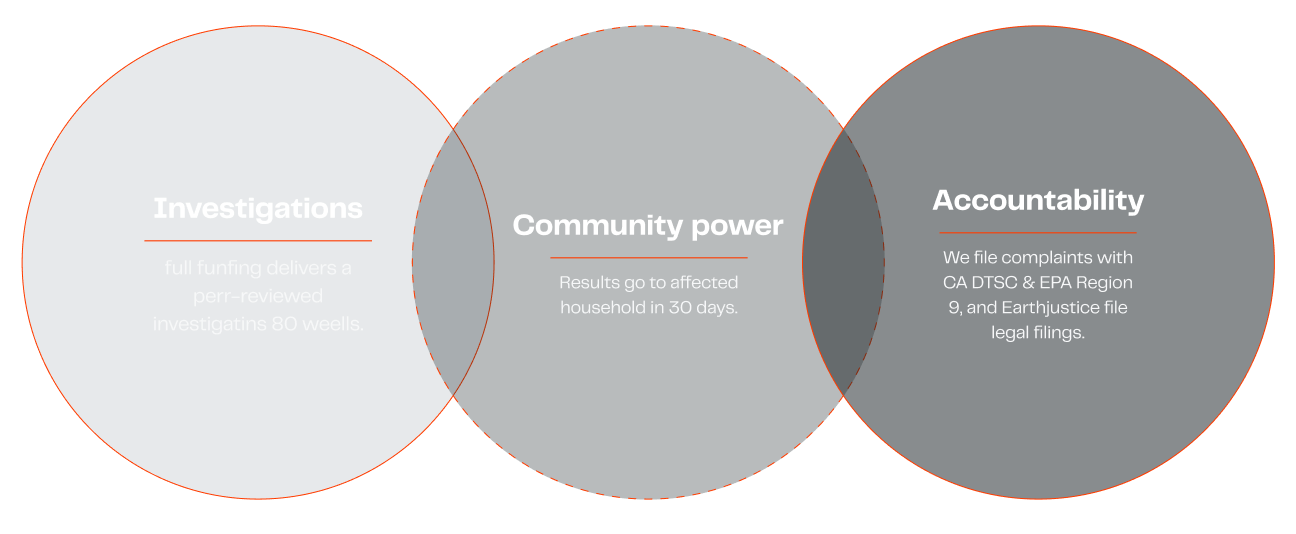
Full funding delivers a peer-reviewed ecological and water quality investigation covering 60 sampling sites, a 500-person community health and exposure survey, and a high-resolution GIS degradation map. Results are delivered to affected communities bilingually (Spanish/Muysccubun) within 30 days of completion. Formal complaints will be filed with the Contraloría General de la República and the Ministry of…
The páramo does not belong to us — we belong to it. And right now, it is asking us to listen.”
The Bigger Picture

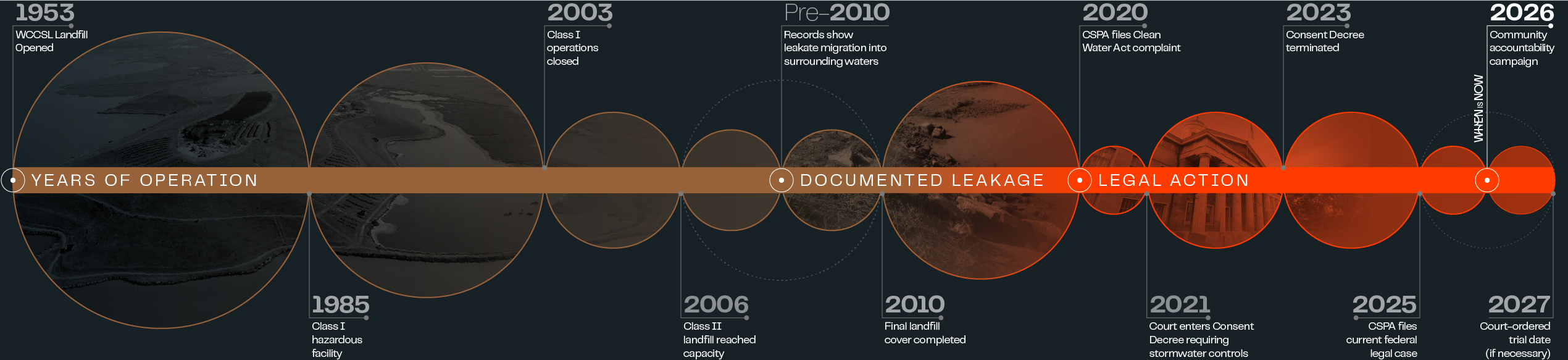
Timeline
Fundación Agua y Páramos de Colombia (FAPAC)
Founded in 2017, the Fundación Agua y Páramos de Colombia (FAPAC) is a Bogotá-based 501(c)(3)-equivalent nonprofit dedicated to the scientific research, legal protection, and community defense of Colombia's páramo ecosystems. We work alongside indigenous and campesino communities in the Andean highlands, combining rigorous ecological fieldwork, water quality monitoring, and strategic litigation to confront the…